Pico Duarte Hike: Routes, Permits, Costs & When to Go (2026)
Pico Duarte is the highest mountain in the Dominican Republic and the entire Caribbean, reaching approximately 3,087 meters (10,128 feet) above sea level. Located in the Cordillera Central mountain range, this remarkable destination attracts attention for its dramatic landscapes, cool mountain climate, pine forests, and importance to the country's natural heritage.
For travelers researching the Pico Duarte hike in 2026, understanding the mountain's geography, protected areas, climate, conservation rules, and physical challenges is essential. The mountain is associated with Armando Bermúdez National Park and José del Carmen Ramírez National Park, two important protected areas in the Dominican Republic.
Unlike the country's famous beaches and coastal resorts, Pico Duarte offers a completely different natural environment. Its mountain scenery, high-altitude forests, and remote wilderness make it one of the country's most distinctive geographical landmarks.
This guide explores the mountain, its surrounding environment, seasonal considerations, hiking challenges, and responsible tourism information.
Where Is Pico Duarte Located?
Pico Duarte is situated in the Cordillera Central, a major mountain range running through the central region of the Dominican Republic.
The mountain lies within a protected mountainous landscape shared by important national park areas.
Its geographical position makes it a significant part of the country's highland ecosystem.
Nearby Destinations
Several towns and communities are associated with travel to the Cordillera Central.
- Jarabacoa: A popular mountain destination known for rivers, waterfalls, and outdoor tourism.
- Constanza: A highland town recognized for agriculture and cooler temperatures.
- San Juan de la Maguana: An important regional center in the western part of the country.
- La Ciénaga: A community associated with access to the Pico Duarte mountain region.
These destinations provide different perspectives on the Dominican Republic's mountainous interior.
How High Is Pico Duarte?
Pico Duarte reaches approximately 3,087 meters above sea level.
This makes it:
- The highest mountain in the Dominican Republic.
- The highest mountain in the Caribbean.
- A major geographical landmark of Hispaniola.
- An important feature of the Cordillera Central.
Its elevation creates environmental conditions that differ significantly from the country's tropical coastal regions.
Temperatures are generally cooler at higher elevations, and conditions can change considerably depending on altitude, wind, rainfall, and season.
Understanding the National Parks Around Pico Duarte
Pico Duarte is closely associated with two major protected areas.
Armando Bermúdez National Park
Armando Bermúdez National Park is one of the Dominican Republic's important protected natural areas.
It contains extensive mountain landscapes, pine forests, rivers, and habitats that support native wildlife.
The park is particularly important for conserving the natural environment of the Cordillera Central.
José del Carmen Ramírez National Park
José del Carmen Ramírez National Park protects another important section of the central mountain region.
Its landscapes include highlands, forest ecosystems, and important watersheds.
Together, these national parks help preserve the mountain environment and natural resources of the Dominican Republic.
What Makes Pico Duarte Special?
Pico Duarte is not simply a mountain with an impressive elevation. It is also an important destination for understanding the Dominican Republic's natural diversity.
1. Caribbean Mountain Geography
The mountain forms part of the Cordillera Central, which contains some of the highest elevations in the Caribbean.
Its landscape includes steep mountain slopes, valleys, forested areas, and exposed highland environments.
2. Mountain Pine Forests
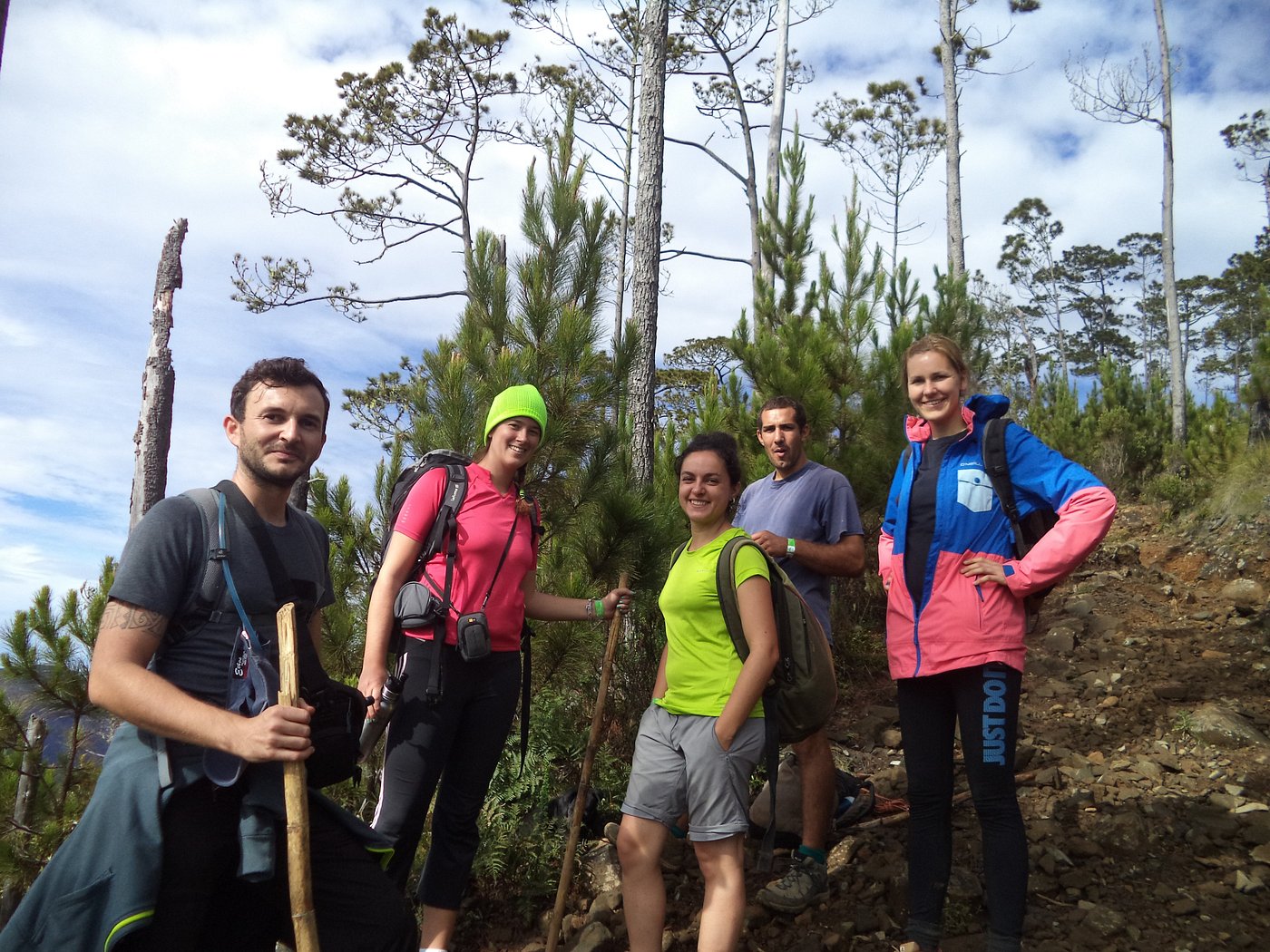
Pine forests are a distinctive feature of the higher mountain regions.
Hispaniolan pine, scientifically known as Pinus occidentalis, is an important native tree species in these ecosystems.
These forests contribute to the ecological character of the mountain region.
3. Important Water Resources
The Cordillera Central is an important source of freshwater for the Dominican Republic.
Mountain forests and watersheds contribute to the country's river systems and water resources.
4. Biodiversity
The surrounding protected areas support a variety of plant and animal species.
Protecting these habitats is important for maintaining the ecological balance of the region.
When Is the Best Time to Visit Pico Duarte?
Pico Duarte experiences a different climate from the tropical beaches of the Dominican Republic.
Temperatures are generally lower at higher elevations, while rainfall, wind, and visibility can vary throughout the year.
Travel planning should account for seasonal weather rather than relying on a single month as a guaranteed period of suitable conditions.
PeriodGeneral Climate ConsiderationsDecember–FebruaryCooler conditions are common in the highlandsMarch–MayTransitional seasonal conditionsJune–AugustWarmer temperatures and potential rainfallSeptember–NovemberGreater potential for tropical weather disruptions
Why Mountain Weather Matters
Weather conditions in mountainous environments can change quickly.
Visitors should understand that:
- Temperatures can be considerably lower than in coastal areas.
- Rainfall can affect visibility and ground conditions.
- Strong winds may occur at exposed elevations.
- Cloud cover can reduce visibility.
- Conditions can differ between the mountain base and summit.
For current travel decisions, consult official park authorities and local environmental information.
Physical Challenges Associated With Pico Duarte
Pico Duarte is a high-altitude mountain environment, and its geographical conditions create several physical challenges.
High Elevation
At approximately 3,087 meters, the summit is significantly higher than most destinations in the Caribbean.
Altitude can affect people differently. Some visitors may experience discomfort associated with reduced oxygen availability.
Changing Temperatures
The mountain environment can be much cooler than nearby lowland destinations.
Weather conditions may also change during the day.
Uneven Mountain Terrain
The surrounding landscape includes forests, slopes, valleys, and rugged natural terrain.
This makes the region geographically different from ordinary walking destinations.
Remote Natural Environment
Some areas of the mountain region are relatively isolated.
Access to services and communication facilities may be limited compared with established tourist destinations.
Visitors should take these factors seriously when considering mountain activities.
Permits, Park Regulations and Conservation
Pico Duarte is associated with protected national park environments. Access and permitted activities are therefore subject to conservation regulations and park management requirements.
For 2026, visitors should obtain current information directly from the Dominican Republic's Ministry of Environment and Natural Resources before making arrangements.
Important subjects to verify include:
- Current visitor-access regulations.
- Park entry requirements.
- Whether authorized guides are required.
- Applicable environmental fees.
- Accommodation or camping regulations.
- Temporary closures and conservation restrictions.
- Rules concerning waste and protected wildlife.
Do not rely on outdated online prices or unofficial information when planning a visit.
How Much Does a Pico Duarte Visit Cost in 2026?
The total cost of visiting the Pico Duarte region depends on several factors.
These may include transportation, accommodation, authorized tourism services, park-related charges, food, and other travel expenses.
Because fees and regulations can change, it is better to obtain a current quotation from an authorized provider rather than publish an unverified price.
Main Travel Expenses to Consider
ExpenseWhat It May CoverTransportationTravel to the mountain regionAccommodationLodging in nearby communitiesPark chargesApplicable protected-area feesAuthorized servicesOfficially required visitor assistanceFoodMeals and refreshmentsTravel insuranceRelevant travel and outdoor-activity coverage
Always request a breakdown of charges before confirming any travel arrangements.
Nearby Attractions Worth Discovering
A visit to the Cordillera Central can also introduce travelers to other beautiful destinations in the Dominican Republic.
Jarabacoa
Jarabacoa is one of the best-known mountain destinations in the country.
It is famous for its natural surroundings, rivers, waterfalls, and outdoor tourism activities.
The town provides a refreshing alternative to the Dominican Republic's coastal destinations.
Constanza
Constanza is a highland town surrounded by mountains and agricultural landscapes.
Its cooler climate and green valleys make it an interesting destination for visitors exploring the central mountain region.
Salto de Jimenoa
Salto de Jimenoa is a well-known waterfall near Jarabacoa.
Its natural scenery and flowing water make it a popular attraction for visitors interested in the country's inland landscapes.
Responsible Tourism in Pico Duarte
Protecting Pico Duarte's natural environment is essential for preserving its ecological value.
Visitors should respect national park regulations and avoid activities that could damage mountain habitats.
Responsible tourism practices include:
- Following official conservation regulations.
- Avoiding littering.
- Respecting native plants and wildlife.
- Staying within authorized visitor areas.
- Avoiding disturbance to natural habitats.
- Respecting local communities.
- Following instructions from authorized park personnel.
The future of mountain tourism depends on protecting the landscapes that make these destinations special.
Frequently Asked Questions (FAQs)
1. Where is Pico Duarte located?
Pico Duarte is located in the Cordillera Central mountain range in the Dominican Republic, within a protected mountainous region associated with Armando Bermúdez and José del Carmen Ramírez national parks.
2. What is the elevation of Pico Duarte?
Pico Duarte reaches approximately 3,087 meters (10,128 feet) above sea level.
3. Is Pico Duarte the highest mountain in the Caribbean?
Yes. Pico Duarte is recognized as the highest mountain in the Caribbean.
4. Which national parks are associated with Pico Duarte?
The mountain is associated with Armando Bermúdez National Park and José del Carmen Ramírez National Park.
5. Is Pico Duarte suitable for everyone?
No. The high elevation, remote mountain environment, and changing weather conditions mean that strenuous mountain activities may not be appropriate for everyone.
6. Does Pico Duarte have a cold climate?
The mountain has a cooler high-altitude climate compared with the Dominican Republic's coastal regions. Temperatures can vary depending on elevation, season, and weather.
7. What type of vegetation grows around Pico Duarte?
The mountain region includes Hispaniolan pine forests, along with other vegetation adapted to the highland environment.
8. Why is Pico Duarte environmentally important?
It forms part of an important mountain ecosystem and contributes to the protection of native biodiversity and freshwater resources in the Dominican Republic.
9. Can visitors explore the surrounding mountain region without hiking to the summit?
Yes. Nearby destinations such as Jarabacoa and Constanza offer opportunities to appreciate the Cordillera Central's scenery without undertaking a summit-oriented mountain activity.
10. Where can visitors find official information about park regulations?
The Dominican Republic's Ministry of Environment and Natural Resources is the appropriate source for current protected-area regulations, access information, and conservation requirements.
Conclusion: Discover the Natural Beauty of Pico Duarte
Pico Duarte represents a remarkable part of the Dominican Republic's natural heritage. As the highest mountain in the Caribbean, it offers a striking contrast to the country's tropical beaches, coastal resorts, and island attractions.
Its pine forests, high-altitude environment, freshwater ecosystems, and surrounding national parks make it an important destination for nature enthusiasts and geography lovers.
Whether you are researching the mountain's elevation, learning about the Cordillera Central, or exploring nearby destinations such as Jarabacoa and Constanza, Pico Duarte provides an opportunity to discover a different side of the Dominican Republic.
Understanding its environmental conditions, respecting protected-area regulations, and prioritizing responsible tourism are essential parts of appreciating this extraordinary mountain landscape.
Explore the mountainous heart of the Dominican Republic and discover why Pico Duarte remains one of the Caribbean's most significant natural landmarks.

Local explorer & expert guide in Caño Hondo Hotel.