Samaná in the Rainy Season: What to Do and When It Rains
Introduction: Is Samaná Worth Visiting During the Rainy Season?
Yes! Samaná can still be an interesting destination during the rainy season in the Dominican Republic. Although rainfall may affect beach plans and outdoor sightseeing, the region offers plenty of cultural attractions, local food, traditional architecture, and interesting places to explore.
Located in northeastern Dominican Republic, the Samaná Peninsula is famous for its tropical landscapes, beautiful coastline, green mountains, and coastal communities. Its humid tropical climate means that rainfall is part of the natural environment throughout the year.
However, visiting during the rainy season requires a little flexibility. Some days may have short showers followed by periods of sunshine, while other days may experience prolonged rainfall or tropical weather systems.
The good news is that rain does not automatically mean an entire day indoors. Visitors can explore museums, discover local history, enjoy Dominican cuisine, visit traditional markets, and experience the cultural side of Samaná.
This guide explains when it rains in Samaná, what the weather is like throughout the year, what to do during wet weather, and how to plan a more flexible visit in 2026.
1. When Is the Rainy Season in Samaná?
Samaná receives rainfall throughout the year, but some months are generally wetter than others.
The broader rainy period is commonly associated with May through November, although rainfall patterns are more complicated than a simple wet-season and dry-season division.
The northern and northeastern Dominican Republic experience several different rainfall influences, including tropical showers, seasonal weather systems, and rainfall associated with the region's mountainous landscape.
According to the Caribbean Regional Climate Centre's historical Samaná rainfall information, the period from September through November is particularly wet on average.
November is identified as the wettest month in its historical station record, with an average of approximately 260.7 millimetres of rainfall.
This means visitors should consider the month of travel rather than assuming every rainy-season month has identical conditions.
General Seasonal Overview
PeriodGeneral Weather PatternWhat Visitors Should ExpectJanuary–AprilRelatively drierGenerally more favourable conditions for outdoor sightseeingMay–JuneIncreasing rainfallTropical showers and changing cloud coverJuly–AugustWarm and humidRainfall can vary, with occasional heavy showersSeptember–OctoberWetter conditionsGreater possibility of prolonged rain and tropical weather systemsNovemberHistorically very wetRainfall can be frequent, with changing conditionsDecemberTransitional periodRain continues, but conditions may become more favourable
These are general seasonal patterns, not daily forecasts. Actual weather can differ considerably from one year to another.
2. What Is the Weather Like During the Rainy Season?
The rainy season in Samaná is generally warm, humid, and tropical.
Unlike destinations where rainfall is associated with cold temperatures, Samaná usually remains warm throughout the year.
Warm Temperatures
Temperatures remain relatively high even during wetter months.
Visitors can generally expect warm daytime conditions, although cloud cover and rainfall may make some periods feel cooler.
High Humidity
Humidity is an important feature of the climate.
During wetter months, the combination of warm temperatures and moisture can make the atmosphere feel particularly humid.
This also contributes to the region's lush vegetation and tropical landscape.
Short Showers and Heavy Rain
Not every rainy day looks the same.
Some periods may experience brief showers followed by clearer skies. Other periods can bring continuous rainfall, thunderstorms, or heavy tropical downpours.
The timing and duration of rain cannot be reliably predicted months in advance.
Cloudy Skies
Cloud cover is common during wetter periods.
Although this may reduce the amount of direct sunshine, it can also create attractive scenery around Samaná's mountains and coastline.
The changing light and dramatic cloud formations are part of the region's tropical character.
3. What to Do in Samaná When It Rains
Rain does not have to prevent visitors from discovering the cultural side of the region.
When outdoor conditions are unsuitable, there are several more sheltered experiences to consider.
1. Visit the Whale Museum in Samaná Town
The Whale Museum, or Museo de las Ballenas, is an interesting cultural attraction in Santa Bárbara de Samaná.
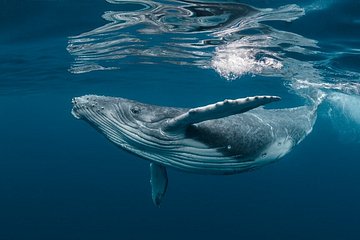
The museum focuses on humpback whales and their connection to Samaná Bay.
Its displays explain whale behaviour, biology, and the importance of protecting marine wildlife.
One of its notable features is a large whale skeleton, which helps visitors understand the impressive size of these marine mammals.
It is particularly relevant to Samaná because humpback whales visit the bay seasonally, generally from January through March.
The museum offers an educational experience that does not depend on favourable beach weather.
2. Explore La Churcha
La Churcha, also known as St. Peter's Church or Iglesia de San Pedro, is an important historical and cultural landmark in Santa Bárbara de Samaná.
The wooden church has a distinctive architectural style and a strong connection to the area's African American heritage.
Its historical background reflects the settlement of people of African American origin in Samaná during the nineteenth century.
Learning about La Churcha provides a different perspective on the region beyond its beaches and natural attractions.
Visitors should check access arrangements and opening information before planning a visit.
3. Discover Pueblo Príncipe
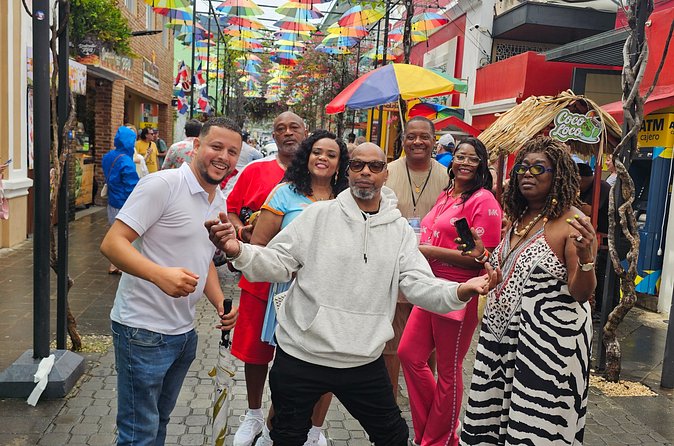
Pueblo Príncipe is known for its colourful facades and Victorian-inspired architectural details.
The area reflects some of the historical and cultural influences that make Samaná different from other Dominican coastal destinations.
Its buildings and surroundings provide an opportunity to appreciate the region's architectural identity.
During light rain, visitors may be able to appreciate parts of the area, depending on local conditions. More substantial rainfall may make an indoor cultural visit preferable.
4. Discover Local Dominican Food
Food is one of the most enjoyable ways to experience Samaná when the weather is cloudy or rainy.
The region has a strong coastal food culture, with traditional Dominican dishes and seafood preparations.
Some dishes worth learning about include:
- Pescado con coco: fish prepared with coconut sauce
- La Bandera Dominicana: rice, beans, and meat
- Mangu: mashed green plantains
- Sancocho: a traditional Dominican stew
- Tostones: fried green plantains
- Moro de guandules: rice prepared with pigeon peas
Pescado con coco is particularly associated with the wider Samaná region and reflects the area's connection to fishing and coconut-based cooking traditions.
Local restaurants can provide a welcoming place to enjoy a meal while waiting for the weather to improve.
5. Explore the Samaná Public Market
The Samaná Public Market, or Mercado Público de Samaná, provides a glimpse into everyday local life.
Markets are important parts of Dominican communities, connecting residents with fresh produce and other everyday goods.
Visitors may encounter tropical fruits, vegetables, and locally sold products.
The market is particularly interesting for people who enjoy learning about food culture and observing everyday community life.
Opening hours and trading activity can vary, so visitors should confirm current arrangements.
6. Learn About Samaná's Architecture
Samaná has an interesting mixture of architectural influences.
Its historic buildings reflect the area's settlement history and cultural diversity.
The wooden construction and Victorian-inspired details found in parts of the region are particularly distinctive.
A rainy day can be a good opportunity to learn about the historical background of these buildings rather than focusing exclusively on outdoor scenery.
4. Enjoy Samaná's Local Food Culture During Wet Weather
Rainy weather can create an opportunity to spend more time discovering local cuisine.
Samaná's food culture is influenced by its coastal geography, Dominican traditions, and the region's distinctive historical background.
Pescado con Coco
Pescado con coco is one of the best-known regional dishes.
It combines fish with coconut-based sauce, creating a flavour associated with the Caribbean's coastal cooking traditions.
The dish reflects the importance of fishing and coconut products in the wider Samaná region.
Pan de Coco
Coconut bread is another food associated with Samaná's cultural identity.
It reflects the influence of coconut in local cooking and traditional family recipes.
Visitors may encounter it at local bakeries or community food businesses when available.
Fresh Tropical Fruits
The region's tropical environment supports a variety of fruits.
Depending on the season, local markets may feature mangoes, bananas, pineapples, coconuts, and other tropical produce.
Trying local fruits is a simple way to experience the region's food culture.
Traditional Dominican Meals
Visitors can also explore familiar Dominican dishes such as rice and beans, plantain preparations, stews, and seafood.
The variety of food options helps make Samaná interesting even when outdoor sightseeing is limited.
5. Can You Still Enjoy the Beaches When It Rains?
Samaná is famous for its beaches, but rainy weather can change the coastal experience.
Light cloud cover does not necessarily make a beach unsuitable for enjoying the scenery. However, heavy rain, thunderstorms, strong winds, and rough ocean conditions can create hazards.
Some important considerations include:
- Heavy rainfall may reduce visibility.
- River water levels can rise.
- Coastal currents may become stronger.
- Water quality can be affected by runoff.
- Thunderstorms can create dangerous conditions near exposed beaches.
Visitors should follow local warnings and avoid entering the sea during unsafe conditions.
It is also important to remember that a beach can look calm while underwater currents remain dangerous.
For a rainy-day visit, appreciating the coastline from a safe, sheltered location is often a better choice than trying to continue a planned water activity.
6. How Rain Affects Samaná's Natural Landscape
Rain is an important part of what makes Samaná so green and biologically diverse.
The peninsula's tropical forests, vegetation, and freshwater environments depend on regular rainfall.
Lush Tropical Vegetation
During wetter periods, plants and trees receive additional moisture, contributing to the region's green appearance.
The surrounding mountains can look especially dramatic when covered by low clouds.
Rivers and Freshwater Systems
Rainfall influences the region's rivers and streams.
Water levels can change quickly after heavy rain, particularly in areas with steep slopes and natural drainage channels.
This is one reason visitors should not approach flooded rivers or assume that a familiar natural attraction will have the same conditions throughout the year.
Mangrove Ecosystems
The wider Samaná region contains important coastal wetland environments.
Mangroves provide habitat for birds, fish, and other wildlife while helping protect coastal ecosystems.
Rainfall is part of the wider environmental system that supports these habitats.
Los Haitises and the Wider Region
Los Haitises National Park is one of the most important natural areas in the Dominican Republic.
It is known for limestone formations, mangroves, caves, and diverse wildlife.
Its environment is closely connected to the region's tropical rainfall patterns.
However, heavy rain and severe weather can affect outdoor access and transport. Visitors should not assume that every nature excursion will operate in wet conditions.
7. What Happens During the Atlantic Hurricane Season?
The Atlantic hurricane season officially runs from June 1 through November 30.
This period overlaps with much of the wetter season in Samaná.
However, hurricane season does not mean that a hurricane will occur during every visit.
It simply represents the period when tropical cyclones are most likely to develop in the Atlantic basin.
June to August
These months can bring warm temperatures, humidity, and tropical rainfall.
Although tropical systems are possible, conditions vary significantly from week to week.
September and October
These months fall within the climatological peak of Atlantic hurricane activity.
Samaná can experience heavy rainfall, strong winds, and travel disruptions when tropical systems affect the Dominican Republic.
November
November is still part of the official Atlantic hurricane season.
It is also historically one of the wettest months in Samaná according to the Caribbean Regional Climate Centre's rainfall record.
Visitors should monitor official weather information when travelling during this period.
Important Weather Sources
For reliable weather information, consult:
- Dominican Republic's national meteorological service, INDOMET.
- The United States National Hurricane Center for Atlantic tropical cyclone information.
- Local civil protection and government announcements.
If an official warning is issued, follow local instructions rather than attempting to continue sightseeing.
8. Is the Rainy Season a Bad Time to Visit Samaná?
Not necessarily.
The rainy season has advantages and disadvantages, and the experience depends on what visitors expect from their holiday.
Advantages of Visiting During the Rainy Season
Green tropical scenery
Regular rainfall supports the lush vegetation that makes Samaná visually distinctive.
Cultural experiences
Visitors can spend more time discovering museums, architecture, food, and local traditions.
Flexible sightseeing
A flexible itinerary allows visitors to adapt their plans when weather conditions change.
Different seasonal atmosphere
The region may feel different from the drier, busier winter travel period.
Disadvantages of Visiting During the Rainy Season
Unpredictable outdoor conditions
Rainfall may affect plans for beaches and sightseeing.
Travel disruption
Heavy rain can affect roads and transportation.
Reduced visibility
Cloud cover can limit views of the mountains and coastline.
Tropical weather risks
The hurricane season overlaps with the wetter months, particularly from June through November.
Overall Verdict
The rainy season is not automatically a reason to avoid Samaná.
It can be a worthwhile period for visitors who are interested in local culture, food, natural scenery, and a more flexible travel experience.
However, visitors whose main priority is predictable sunny weather should consider the generally drier months.
9. Which Months Are Best for Visiting Samaná?
The best month depends on the type of experience visitors want.
January to March
These months are popular for exploring Samaná.
The weather is generally more favourable for outdoor sightseeing than during the wetter part of the year.
They also coincide with the seasonal arrival of humpback whales in Samaná Bay.
April
April is often considered part of the relatively drier period, although rainfall can still occur.
It can be a useful month for visitors interested in exploring the region's cultural and natural attractions.
May and June
Rainfall generally becomes more variable during these months.
Visitors should allow additional flexibility in their plans.
July and August
These are warm and humid months.
Rain showers can occur, and visitors should monitor the weather when planning outdoor sightseeing.
September and October
These months are associated with wetter conditions and the Atlantic hurricane season.
Visitors should pay particular attention to official weather updates.
November and December
November is historically a wet month in Samaná, while December represents a transition toward the generally drier part of the year.
Weather conditions can still vary considerably.
10. How to Plan a Flexible Samaná Itinerary During the Rainy Season
A flexible itinerary is particularly useful during wetter months.
Instead of arranging every activity around outdoor attractions, visitors can balance cultural experiences with general sightseeing.
Plan Indoor Activities as Alternatives
Museums, local food experiences, and historical attractions provide alternatives when rainfall affects outdoor plans.
Keep Outdoor Plans Flexible
Avoid building an entire holiday around one particular day of good weather.
If conditions change, adjust the schedule rather than forcing an outdoor activity to continue.
Check Opening Information
Museums, markets, restaurants, and cultural attractions may have different operating hours.
Confirm availability before relying on a particular place as a rainy-day alternative.
Allow Extra Travel Time
Heavy rainfall may affect roads and traffic.
Allowing extra time can reduce the pressure of moving between different parts of the region.
Respect Local Weather Warnings
Never treat a tropical storm or heavy-rain warning as an ordinary shower.
Follow local authorities and official weather services.
11. What Should Visitors Know Before Travelling During the Rainy Season?
A few general considerations can make a rainy-season visit easier.
Understand That Rain Can Occur All Year
Even the relatively drier months can experience rainfall.
There is no completely rain-free guarantee in a tropical destination.
Do Not Depend on Daily Weather Averages
Monthly rainfall figures describe long-term patterns, not the weather expected on a specific travel date.
A month with relatively high rainfall can still include sunny days.
Be Careful Around Rivers and Coastal Areas
Heavy rainfall can change natural water conditions.
Flooded rivers, strong currents, and rough coastal water should be treated seriously.
Confirm Travel Arrangements
Transportation, accommodation, and attraction schedules can change during severe weather.
Confirm important arrangements with the relevant provider.
Keep a Flexible Schedule
Having alternative cultural and indoor experiences makes it easier to enjoy the destination even when the weather changes.
12. Is Samaná Worth Visiting in the Rainy Season Final Verdict
Yes, Samaná can still be worth visiting during the rainy season.
The region is much more than its beaches. Its cultural history, traditional food, local markets, architecture, and tropical landscapes provide different ways to experience the destination.
Rainfall may affect outdoor sightseeing, but it can also reveal another side of Samaná: a green, humid, culturally rich region where everyday life continues beyond the tourist beaches.
For visitors who are flexible and interested in discovering local culture, the rainy season can still offer a rewarding experience.
However, anyone planning a visit between June and November should pay attention to tropical weather forecasts and official warnings.
The best approach is to enjoy what the region offers while respecting the natural conditions that shape it.
Frequently Asked Questions About Samaná in the Rainy Season
1. When is the rainy season in Samaná?
Rainfall is common throughout the year, but May through November is generally associated with wetter conditions. September through November is particularly wet in historical rainfall records.
2. What is the wettest month in Samaná?
The Caribbean Regional Climate Centre identifies November as the wettest month on average in its historical Samaná station record.
3. Does it rain all day during the rainy season?
No. Some days experience brief showers followed by clearer periods, while others can have prolonged rain. The pattern changes according to weather systems and local conditions.
4. Is Samaná worth visiting in September?
It can be, particularly for visitors interested in culture and flexible sightseeing. However, September is within the Atlantic hurricane season and is generally associated with wetter conditions.
5. What can I do in Samaná when it rains?
Visitors can consider the Whale Museum, La Churcha, local markets, traditional restaurants, and cultural sightseeing in Santa Bárbara de Samaná.
6. Is it safe to visit Samaná during hurricane season?
Visiting during hurricane season is not automatically unsafe, but tropical storms and hurricanes can affect the region. Monitor official weather information and follow local authorities' instructions.
7. Is February a good month to visit Samaná?
February is generally among the relatively drier months. It is also part of the humpback whale season in Samaná Bay.
8. Does Samaná have a dry season?
February through April is generally a relatively drier period in the historical rainfall record, although rain can occur during these months.
9. Can heavy rain affect roads in Samaná?
Yes. Heavy rainfall can affect local road conditions and travel times, particularly in areas with steep terrain or drainage problems.
10. Is the rainy season good for nature lovers?
The rainy season supports lush tropical vegetation and contributes to the region's green appearance. However, outdoor activities may be affected by weather and safety conditions.
11. What is the safest way to enjoy Samaná's coastline during heavy rain?
Enjoy the coastal scenery from a safe, sheltered location and follow local warnings. Avoid entering rough water or approaching flooded rivers.
12. When is the best time to visit Samaná for less rain?
February through April is generally one of the relatively drier periods in Samaná, based on historical rainfall information.
Conclusion
Samaná in the rainy season offers a different travel experience from the region's popular dry-season months.
Although rain can interrupt outdoor plans, visitors can still discover the area's history, local food, architecture, markets, and cultural attractions.
The most important thing is to understand the seasonal weather patterns and remain flexible.
For those who enjoy discovering local traditions and tropical landscapes, Samaná can still be an interesting destination during wetter months.
Plan around the weather, respect official safety information, and remember that the beauty of Samaná extends far beyond its sunny beaches.

Local explorer & expert guide in Caño Hondo Hotel.