Saona Island and Altos de Chavón: Combine a Caribbean Beach Excursion with La Romana's Cultural Village
A holiday in the La Romana area of the Dominican Republic can offer more than beautiful beaches and boat trips. Visitors can enjoy the tropical coastline around Saona Island and also discover Altos de Chavón, a remarkable cultural attraction overlooking the Chavón River.
These two destinations offer very different experiences.
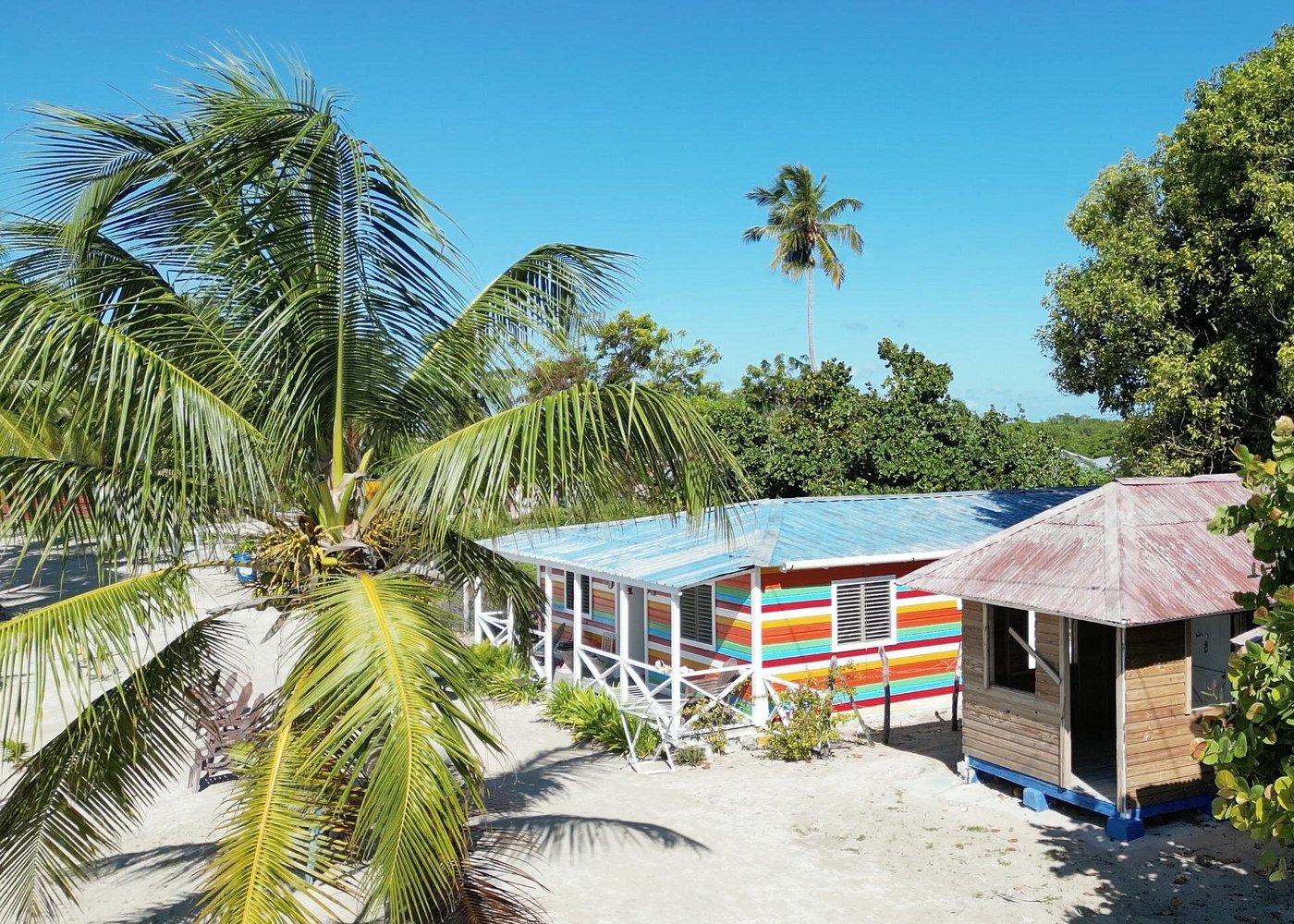
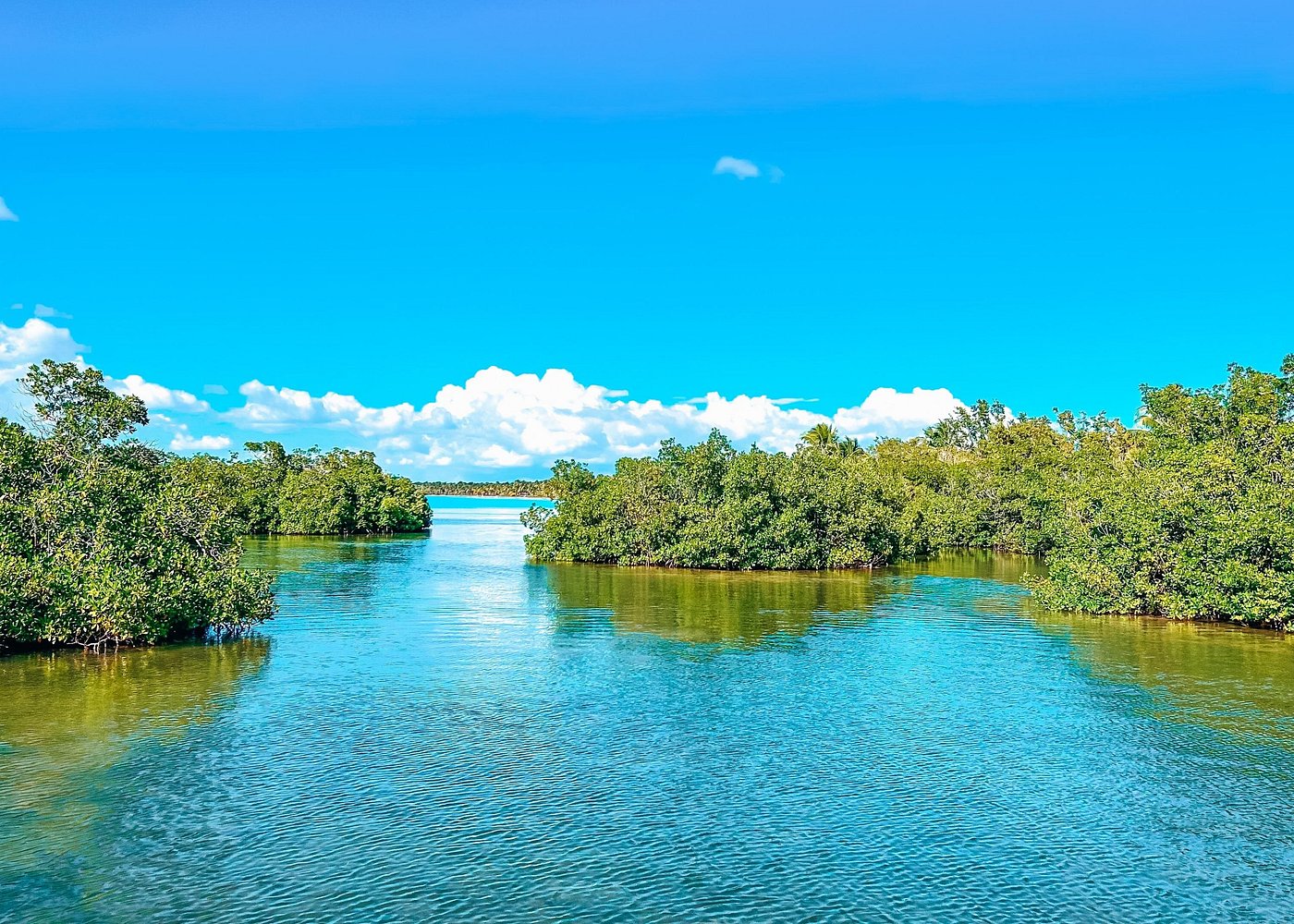
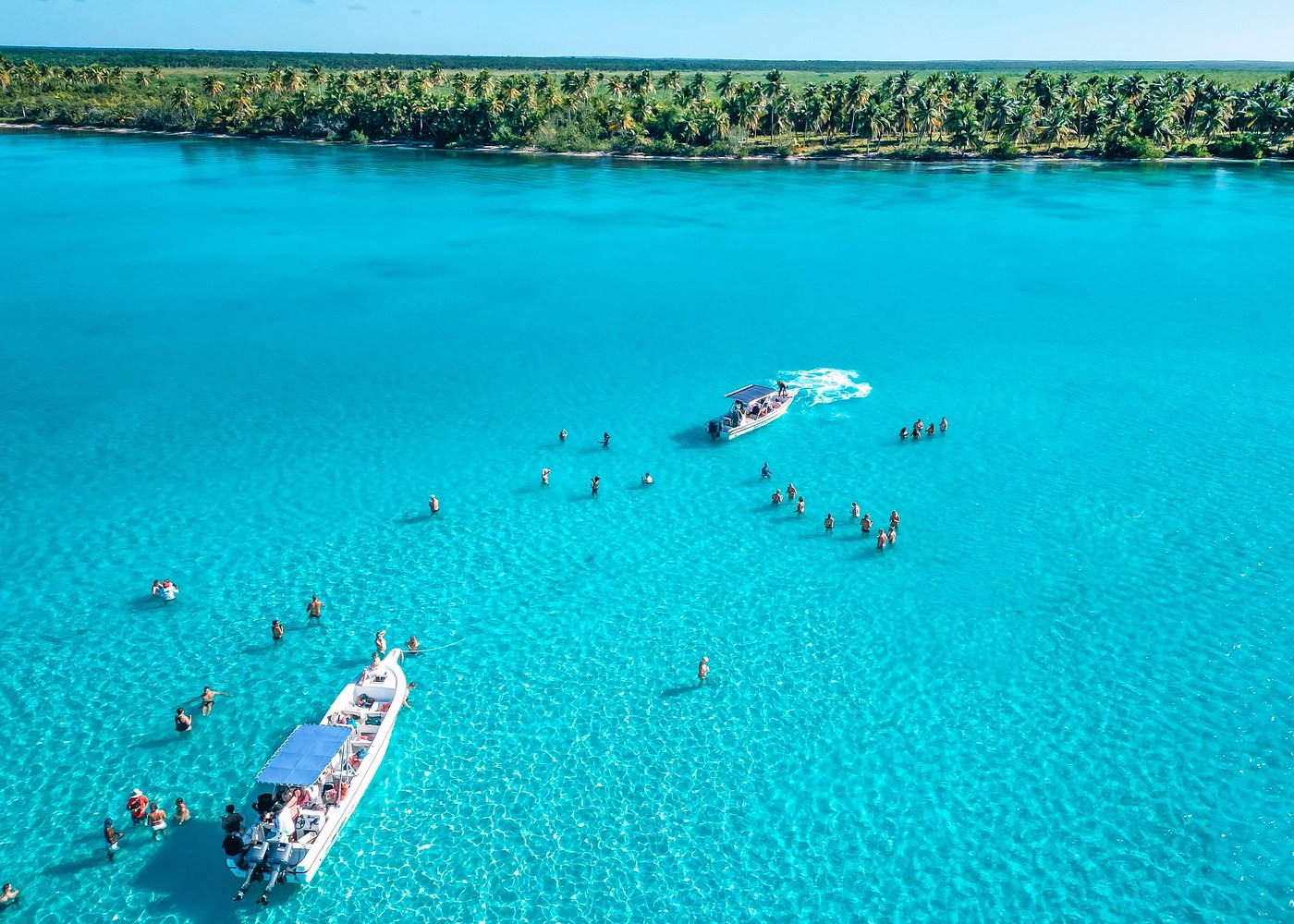
Saona Island is famous for its white-sand beaches, turquoise water, boat excursions and tropical scenery. Altos de Chavón is known for its stone architecture, cobbled streets, archaeological museum, art spaces, restaurants and impressive river views.
Combining them can give your holiday a nice balance between nature and culture. You can dedicate one day to Saona Island and another part of your trip to exploring Altos de Chavón.
This guide explains what to see, how to plan the visits and how to make the most of your time in the La Romana region.
1. Why Combine Saona Island and Altos de Chavón?
The two attractions complement each other because they offer different sides of the Dominican Republic.
Saona Island is an ideal choice for visitors who want a Caribbean beach experience. Many excursions depart from Bayahibe and include boat travel, beach stops and optional visits to places such as the Palmilla Natural Pool or Mano Juan.
Altos de Chavón offers a different atmosphere. It is a carefully designed stone village with cultural attractions, artisan spaces and panoramic views over the Chavón River.
By visiting both, you can enjoy:
- Caribbean beaches and boat scenery
- A cultural village with distinctive architecture
- Local crafts and art galleries
- A regional archaeological museum
- Restaurants and places to relax
- Views of the Chavón River and surrounding landscape
Rather than trying to fit every attraction into one day, plan separate visits when possible.
2. Discover Saona Island: The Caribbean Beach Experience
Saona Island is one of the best-known island destinations in the Dominican Republic. It forms part of Cotubanamá National Park and is recognised for its long sandy beaches and clear Caribbean water.
Most organised excursions depart from Bayahibe.
What can you experience on Saona Island?
Beach relaxation: Enjoy the white sand, palm trees and coastal scenery. Depending on the excursion, you may have time to swim, relax or take photographs.
Boat journeys: Visitors can travel by speedboat, catamaran or a combination of boats, depending on the package.
Palmilla Natural Pool: Some itineraries include a stop at this shallow offshore area, where visitors can enjoy the water under the operator's instructions.
Mano Juan: Some tours include a visit to the island's inhabited village. Check the itinerary if this is important to you.
Lunch and refreshments: Certain excursions include a meal and drinks, although the exact services vary.
Saona Island is a good way to experience the tropical coastal scenery of the Dominican Republic.
3. What Is Altos de Chavón?
Altos de Chavón is a distinctive cultural and architectural attraction in La Romana, near the Casa de Campo area.
It was designed as a recreation of a Mediterranean-style village, with stone buildings, cobbled streets, small plazas and attractive viewpoints.
The village sits above the Chavón River and is one of the region's recognisable visitor attractions.
Unlike a traditional historic settlement that developed over many centuries, Altos de Chavón was constructed as a planned cultural village. Its appearance is inspired by historic Mediterranean architecture, while its attractions connect visitors with Dominican art, crafts and indigenous heritage.
The official Dominican Republic tourism website describes it as a village with shops, restaurants, bars, arts and crafts, and the well-known St. Stanislaus Church.
4. Explore the Stone Streets and Village Architecture
One of the most enjoyable parts of visiting Altos de Chavón is simply walking through its streets.
The village features stone facades, narrow walkways, decorative details and small plazas. Its architecture creates a distinctive atmosphere that contrasts with the beaches around Bayahibe and Saona.
During your visit, you can:
- Walk through the cobbled streets.
- Admire the stone buildings.
- Explore the small plazas.
- Browse artisan shops.
- Stop at a café or restaurant.
- Enjoy views of the surrounding landscape.
- Take photographs of the village's architecture.
Allow time to explore without rushing. The village is best enjoyed at a comfortable walking pace.
Wear comfortable footwear because some streets and surfaces are uneven.
5. Visit the Altos de Chavón Archaeological Museum
The Regional Archaeological Museum of Altos de Chavón is an important cultural attraction within the village.
Its collection focuses on the indigenous history and pre-Columbian heritage of the island.
Visitors interested in Dominican history can learn more about the people who lived in the region before European colonisation and discover objects connected with earlier periods of island life.
The museum provides a useful cultural contrast to a Saona Island beach excursion.
If you want to understand more about the Dominican Republic beyond its resorts and beaches, this can be a worthwhile stop.
Check the museum's official website for current opening hours, admission details, exhibitions and visitor arrangements before travelling.
6. See St. Stanislaus Church
St. Stanislaus Church is one of the best-known landmarks in Altos de Chavón.
It stands near the village's central plaza and is recognised for its stone exterior and distinctive architectural style.
Visitors often include the church in their walking route because of its appearance and the views around the square.
The church is also used for religious services and special events. If you plan to visit during a service or private ceremony, be respectful and follow any access instructions.
Take time to appreciate the surroundings rather than treating the church only as a photograph stop.
7. Discover the Altos de Chavón Amphitheatre
Another major attraction is the Greek-style open-air amphitheatre.
The venue has a capacity of approximately 5,000 people and has hosted performances by internationally recognised artists.
It is one of the village's most recognisable landmarks.
If you are interested in music and live entertainment, check whether a concert or event is scheduled during your stay.
Do not assume that a performance takes place every day. Events have their own schedules and may require separate tickets.
Even when there is no performance, the amphitheatre is an interesting place to see as part of a village visit.
8. Browse Art Galleries, Workshops and Local Crafts
Altos de Chavón has a strong connection with art and creative activities.
The village is known for its artistic environment, workshops and galleries. Visitors may find handmade items, decorative objects, paintings, jewellery and other crafts.
This is a good opportunity to browse locally made products and learn more about the region's creative community.
When shopping:
- Ask whether an item is handmade locally.
- Check prices before purchasing.
- Choose products made from responsible materials.
- Avoid products made from protected wildlife.
- Ask about packaging if you plan to travel with fragile items.
A craft purchase can be a meaningful reminder of your La Romana visit.
9. Enjoy the Views of the Chavón River
The Chavón River is an important part of the scenery around Altos de Chavón.
The village overlooks the river and its surrounding green landscape. The elevated position provides attractive viewpoints that are different from the open coastal scenery of Saona Island.
Spend some time enjoying the views from the designated visitor areas.
You may also find opportunities for river-related excursions in the wider area, such as organised boat or kayaking experiences. These are separate activities and should be booked and checked independently.
Do not assume that a visit to Altos de Chavón automatically includes a river boat trip.
10. How to Combine Saona Island and Altos de Chavón
The easiest way to enjoy both attractions is to plan them as separate activities.
Option A: A Two-Day La Romana Experience
Day 1: Saona Island
- Travel to the Bayahibe departure point.
- Join your confirmed Saona Island excursion.
- Enjoy the planned beach stops.
- Visit the natural pool if included.
- Return to your accommodation.
Day 2: Altos de Chavón
- Travel to Altos de Chavón.
- Walk through the stone village.
- Visit the archaeological museum if open.
- See St. Stanislaus Church.
- Explore the artisan shops and galleries.
- Enjoy a meal with views of the surrounding area.
This arrangement gives each destination enough time.
Option B: A Longer La Romana Holiday
If you have three or four days, you can spread the experiences out.
DaySuggested activityDay 1Arrive and explore La RomanaDay 2Saona Island boat excursionDay 3Altos de Chavón village and museumDay 4Relax at a nearby beach or explore another local attraction
This is only a sample plan. Adjust it according to your accommodation, tour availability and personal interests.
Can You Visit Both in One Day?
It may be possible to arrange a combination with a private driver or a specially organised excursion, but it is not ideal to assume that a standard Saona tour will include Altos de Chavón.
A Saona excursion can take much of the day because it includes road transfers, boat travel and island stops. Altos de Chavón also deserves enough time for walking and exploring.
If you want to combine both in one day, ask a local operator to confirm the full schedule, transport arrangements, admission requirements and realistic return time.
11. Getting Around the La Romana Area
Saona Island and Altos de Chavón require different transport arrangements.
For Saona Island, most visitors travel to Bayahibe and join a boat excursion.
For Altos de Chavón, visitors generally arrange road transportation to the village.
Depending on where you stay, possible transport options may include:
- Hotel-arranged transportation
- A private driver
- A taxi or authorised local transfer
- A pre-booked regional sightseeing tour
- A rental vehicle, if you are comfortable driving locally
Confirm the return journey before leaving your accommodation.
If you are staying at a property within Casa de Campo, ask about its visitor access arrangements and transport options. Visitors who are not resort guests should check whether an entrance fee or authorised visit is required.
12. Food and Dining During Your Visit
Food is another reason to enjoy the La Romana region over more than one day.
At Altos de Chavón, visitors can find dining options in the village setting. You may enjoy a relaxed meal or refreshments while exploring.
Around Bayahibe and La Romana, restaurants offer a wider range of Dominican and international dishes.
Some foods worth trying include:
- Fresh fish
- Grilled seafood
- La Bandera Dominicana
- Tostones
- Mofongo
- Rice and beans
- Tropical fruit drinks
Restaurant availability, menus and prices can change. Check current details before making a special trip to a particular venue.
13. Practical Tips Before Your Visit
Check access arrangements: Altos de Chavón has visitor access conditions. Non-guests of Casa de Campo may need to pay an entrance fee or arrange an authorised visit.
Check opening times: Museum hours, shop schedules and visitor access can change. Verify them before travelling.
Plan the island excursion separately: Confirm your Saona tour's departure point, meeting time and inclusions.
Wear comfortable footwear: Stone streets and uneven surfaces make comfortable shoes useful.
Bring sun protection: Both the island and village have outdoor areas where you may spend time in the sun.
Carry some cash and a payment card: Payment options can vary between businesses.
Respect cultural spaces: Follow photography and visitor instructions at the museum, church and other cultural sites.
Allow enough time: Avoid rushing through both attractions simply to fit them into one day.
14. Frequently Asked Questions
Can I visit Saona Island and Altos de Chavón during the same holiday?
Yes. They are two different attractions in the La Romana region and can be visited on separate days.
Is Altos de Chavón close to Saona Island?
Altos de Chavón is on the mainland near La Romana, while Saona Island is offshore. Saona excursions commonly depart from Bayahibe, so the two visits require different transport arrangements.
How long should I spend at Altos de Chavón?
Allow enough time to walk through the village, enjoy the viewpoints, browse shops and visit the museum if it is open. Your preferred visit length depends on your interest in art, architecture and history.
Is there an entrance fee for Altos de Chavón?
The official Dominican Republic tourism information states that non-guests of Casa de Campo may have to pay an entrance fee or arrange a village tour. Confirm current access conditions before visiting.
Can I visit the archaeological museum?
Yes, the Regional Archaeological Museum is located in Altos de Chavón. Check its official website for current opening hours and admission information.
Does the amphitheatre have concerts every day?
No. Performances follow an event schedule. Check for upcoming concerts and ticket requirements before planning your visit around a performance.
Can I visit Altos de Chavón after a Saona Island tour?
It may be possible depending on the tour's return time and transport arrangements, but a separate day is usually more comfortable. Confirm the schedule before making plans.
Is Altos de Chavón suitable for families?
Families interested in architecture, art, cultural attractions and scenic views may enjoy the village. Consider walking distances, uneven surfaces and children's interests when planning.
Conclusion: Enjoy Two Different Sides of La Romana
Saona Island and Altos de Chavón offer two very different experiences in the Dominican Republic.
Saona provides the tropical beach scenery, boat journeys and island atmosphere that attract visitors from around the world. Altos de Chavón adds culture, architecture, art, indigenous heritage and beautiful views over the Chavón River.
By visiting both during your La Romana holiday, you can enjoy more than a beach excursion. You can experience the region's natural scenery and its cultural attractions in a balanced way.
Plan the island trip and village visit separately when possible, check access arrangements and leave enough time to explore each destination properly.
A Caribbean holiday can be about more than the beach—and La Romana offers a wonderful opportunity to discover that.

Local explorer & expert guide in Caño Hondo Hotel.