Beginner's Guide to Windsurfing in Samaná: Lessons & Gear
Introduction
Samaná is one of the most scenic coastal destinations in the Dominican Republic. Known for its tropical beaches, green hills, beautiful bays and Atlantic coastline, the peninsula attracts visitors interested in nature, marine environments and outdoor recreation.
Among the water sports associated with coastal destinations is windsurfing. Combining elements of sailing and board sports, windsurfing uses a sail attached to a board to move across the water with the help of the wind. It is a technical activity that requires appropriate instruction, awareness of changing weather and suitable safety equipment.
For visitors researching windsurfing in Samaná, understanding the basics is a useful first step. This guide explains what the sport involves, what professional lessons generally cover, the main equipment categories, the importance of local conditions and the safety considerations beginners should understand.
Whether you are researching the sport for a future supervised activity or simply want to learn more about Samaná's coastal recreation, this article provides an introduction to the subject.
1. What Is Windsurfing?
Windsurfing is a water sport that combines sailing with a board-based activity. Participants use a board with an attached sail, and the movement of the sail is influenced by the direction and strength of the wind.
Unlike traditional sailing, where a person travels aboard a boat, windsurfing involves standing on a board while the sail is connected through a mast assembly.
The sport requires several abilities, including:
- Understanding basic sailing concepts.
- Maintaining balance and coordination.
- Recognising changing weather conditions.
- Understanding water safety procedures.
- Being aware of other people and vessels in the surrounding area.
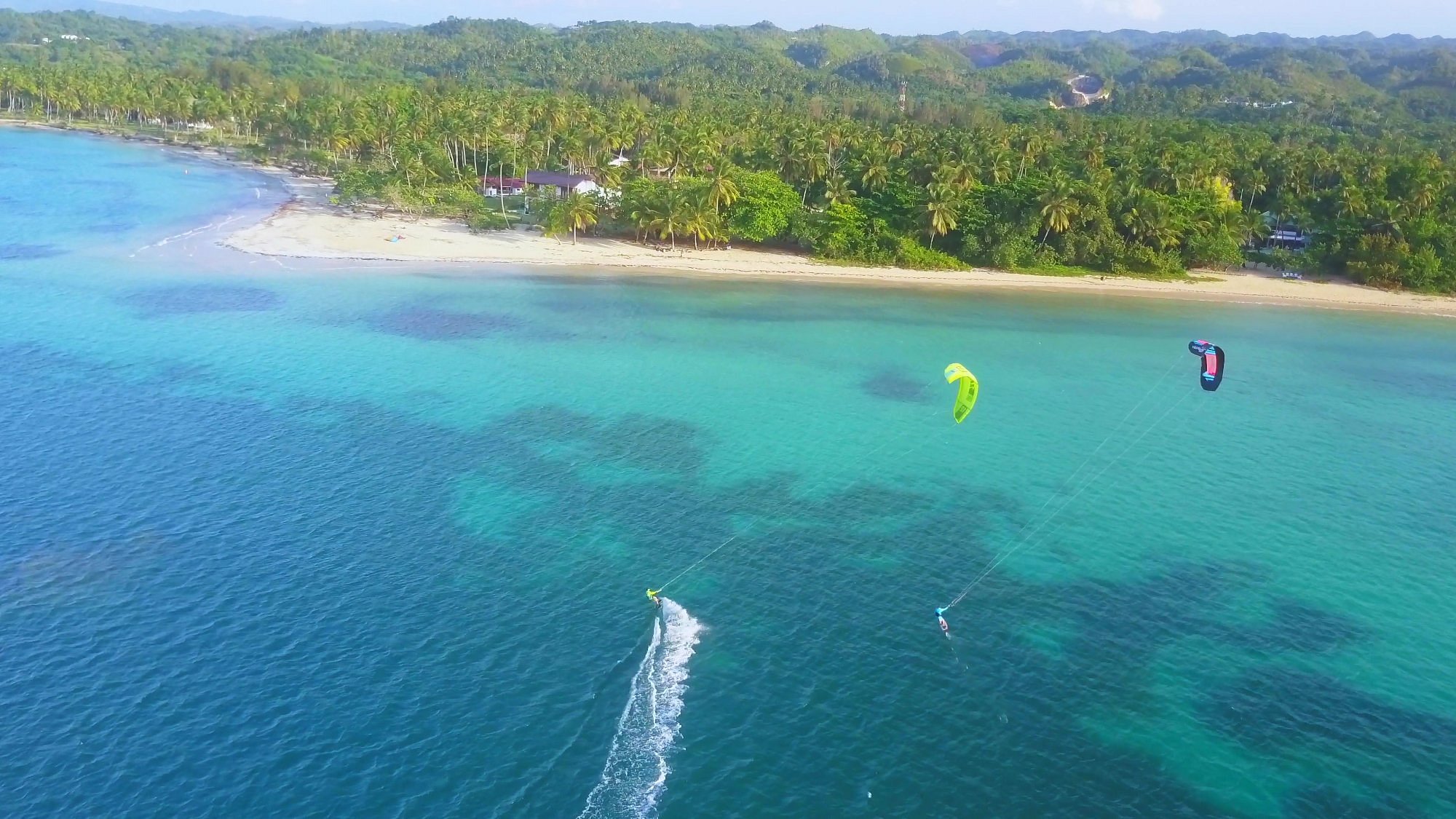
Windsurfing is sometimes confused with kitesurfing, but the two activities use different equipment. Windsurfing uses a sail attached to the board, while kitesurfing uses a kite connected to the participant by lines and a harness.
For someone discovering the sport for the first time, learning about these differences helps explain why proper instruction and suitable equipment are important.
2. Why Is Samaná Interesting for Coastal Recreation?
The Samaná Peninsula is located in the northeastern part of the Dominican Republic. Its geography includes coastal communities, beaches, bays and areas of natural vegetation.
The region is particularly well known for its marine environment and scenic coastline. Visitors can experience a variety of coastal landscapes, from developed beach areas to quieter stretches of shoreline.
Some features that make Samaná interesting for coastal tourism include:
Beautiful Caribbean and Atlantic Coastlines
Samaná has an extensive coastline with different beach environments. Some areas have relatively sheltered water, while others are more exposed to Atlantic conditions.
These differences are important because coastal conditions are not identical throughout the peninsula.
Natural Landscapes
The region combines tropical vegetation, coastal hills and marine scenery. These landscapes make Samaná attractive to visitors interested in photography, nature and relaxed beach experiences.
Outdoor Recreation
The peninsula is associated with several forms of coastal recreation. However, the suitability of any particular activity depends on local conditions, professional supervision and the visitor's circumstances.
Windsurfing should never be assumed to be suitable at every beach simply because the location is near the ocean.
3. Understanding Wind Conditions in Samaná
Wind is one of the most important environmental factors associated with windsurfing. Its direction, strength and consistency can influence water conditions and the suitability of an area for a particular activity.
A 2025 institutional report from the Dominican Republic's National Authority for Maritime Affairs (ANAMAR) includes wind observations from a monitoring location associated with Samaná. The report describes predominant wind speeds in the approximate range of 3.60–5.70 metres per second across the studied seasonal periods.
These figures describe observations at a monitoring location, not a guaranteed forecast for individual beaches or a recommendation that conditions are suitable for beginners.
Seasonal Differences
The Dominican Republic experiences seasonal weather patterns that can influence coastal conditions.
Broadly, visitors may notice differences between the drier months and the wetter part of the year. However, wind conditions can change from one day to another, and a seasonal average cannot establish whether a particular day is suitable for an activity.
Why Local Conditions Matter
Several factors can influence conditions along the Samaná coastline:
- Wind direction and strength.
- Wave conditions.
- Local currents.
- Rainfall and thunderstorms.
- Visibility.
- Boat traffic.
- Beach geography.
A professional local assessment is essential for any organised water-based activity. General travel articles and historical averages should not replace current official marine and weather information.
4. Windsurfing Lessons: What Beginners Should Understand
Professional instruction is an important subject for anyone researching windsurfing.
The sport involves interacting with wind and water simultaneously. For this reason, it should not be approached as an activity that can be learned safely through online descriptions alone.
A properly organised introductory programme should be managed by qualified instructors who understand the local marine environment and have appropriate emergency arrangements.
The Purpose of an Introductory Lesson
A beginner-level lesson generally introduces participants to the sport's basic concepts rather than expecting immediate independent performance.
Depending on the recognised training programme, an introduction may cover:
- An explanation of the sport and its equipment.
- General water-safety awareness.
- Understanding the importance of weather and water conditions.
- Recognising the role of flotation equipment.
- Instructor supervision and emergency procedures.
- Familiarisation with the activity's safety requirements.
The exact structure of a programme depends on the training provider and local circumstances.
Why Qualified Supervision Matters
A qualified instructor can assess whether conditions are appropriate and explain the risks associated with the local environment.
Visitors should not assume that a calm-looking beach guarantees safe conditions. Wind, currents, weather changes and boat movements can create hazards that may not be obvious from the shoreline.
For younger participants, any organised activity should also follow applicable age requirements and involve appropriate parent or guardian oversight.
Questions About a Training Programme
Before considering any organised water-sport programme, families should establish whether the provider has:
- Recognised instructor qualifications.
- Appropriate participant supervision.
- Suitable safety and flotation equipment.
- An emergency response plan.
- Clear age and swimming requirements.
- A process for postponing activities when conditions are unsuitable.
A provider should be able to explain these matters clearly.
5. Understanding Windsurfing Equipment
Windsurfing equipment is designed to connect the participant, board and sail system. Equipment selection is not simply a matter of choosing the most attractive or expensive product.
Different equipment is intended for different conditions and experience levels. A qualified instructor or equipment specialist is responsible for determining what is appropriate for a particular programme.
The Windsurfing Board
The board is the main floating platform used in the sport.
Boards vary in size, shape, construction and intended purpose. Different designs are developed for different levels of experience and water conditions.
The Sail
The sail captures the wind and is an essential part of the windsurfing system.
Its design and characteristics vary according to the intended use. Appropriate selection and handling require specialist knowledge.
The Mast and Boom
The mast supports the sail, while the boom is part of the structure associated with holding and controlling it.
These components must be compatible with the rest of the equipment and maintained in suitable condition.
Personal Flotation Equipment
Personal flotation equipment is a major part of water safety.
A properly fitted, approved buoyancy aid or life jacket should be selected according to applicable regulations and the activity's requirements.
Other Safety Equipment
An organised programme may also require suitable protective clothing, communication equipment and other safety provisions.
The equipment should be inspected and maintained by responsible personnel. Damaged or unsuitable equipment should not be used.
6. Essential Safety Considerations
Windsurfing takes place in an environment where conditions can change quickly. Safety should therefore be considered before the activity is even organised.
The Royal National Lifeboat Institution (RNLI) and other recognised maritime-safety organisations publish guidance emphasising appropriate training, flotation equipment, weather awareness and avoiding unsuitable conditions.
Important general considerations include:
Professional Supervision
Beginners should not attempt to learn independently. Appropriate instruction and direct supervision are important because wind and water conditions can be difficult to judge.
Flotation Equipment
Suitable personal flotation equipment should be worn in accordance with recognised safety guidance and local requirements.
Weather Awareness
Weather forecasts are not optional background information for water-based activities. Wind changes, thunderstorms and deteriorating visibility can create serious hazards.
Awareness of Other Water Users
Coastal areas may be shared by swimmers, fishing boats, tourist vessels and other recreational users. Respecting designated areas and local maritime rules is important.
Emergency Arrangements
A responsible activity provider should have clear emergency procedures and appropriate rescue arrangements.
Knowing When Not to Participate
An activity should be postponed when conditions are unsuitable or when the responsible instructor considers the environment unsafe.
No holiday experience is worth taking unnecessary risks.
7. What Should Visitors Consider Before Choosing a Windsurfing Programme?
Visitors researching windsurfing in Samaná should focus on the quality and safety of the programme rather than relying only on photographs, promotional claims or advertised prices.
The following considerations can help families evaluate an organised activity:
ConsiderationWhy It MattersInstructor qualificationsHelps establish whether instruction is professionally managedParticipant age policyEnsures the programme follows appropriate age requirementsSupervision arrangementsClarifies who is responsible for participantsSafety equipmentEstablishes whether appropriate protective equipment is providedWeather policyExplains when activities are postponedEmergency arrangementsShows how unexpected situations are managedInsurance and local rulesHelps clarify the provider's responsibilities
It is also important to understand what is included in any advertised programme. A low advertised price does not necessarily include every service or safety provision.
Prices and availability can change, so any published commercial information should be independently confirmed before travel.
8. Exploring Samaná Without Participating in Windsurfing
Visitors do not need to take part in a physically demanding water sport to enjoy Samaná's coastline.
The peninsula offers plenty of opportunities for relaxed sightseeing and nature appreciation.
Santa Bárbara de Samaná
The town of Santa Bárbara de Samaná is an important local centre. Visitors can explore its streets, waterfront surroundings and local atmosphere.
It is also a useful starting point for learning about the peninsula's history and coastal geography.
Las Terrenas
Las Terrenas is known for its beaches, restaurants and international atmosphere. The town provides a combination of coastal scenery and visitor services.
It is an appealing destination for travellers who want to enjoy the seaside without taking part in high-risk activities.
Playa Bonita
Playa Bonita is one of the well-known beaches in the Las Terrenas area. Its coastal scenery makes it a popular place for relaxing, photography and enjoying the natural surroundings from the beach.
Playa Cosón
Playa Cosón is recognised for its long coastline and tropical landscape. Visitors can appreciate its scenery while respecting local beach conditions and safety notices.
These destinations offer ways to experience the coastal character of Samaná without needing to participate in windsurfing.
9. What to Pack for a Coastal Visit to Samaná
For a general sightseeing visit, practical travel items can make the experience more comfortable.
Consider bringing:
- Comfortable lightweight clothing.
- Sun-protective clothing.
- A hat or cap.
- Sunglasses.
- Sunscreen.
- Reusable drinking water bottle.
- A small day bag.
- Waterproof protection for personal belongings.
- Comfortable footwear suitable for walking.
Visitors attending an organised water-sport programme should follow the provider's specific clothing and safety requirements instead of relying on a general travel packing list.
10. Responsible Coastal Tourism in Samaná
Samaná's coastal environment is one of its most valuable attractions. Responsible tourism helps protect the beaches, marine habitats and communities that make the peninsula special.
Visitors can support responsible travel by:
- Taking rubbish away from beaches.
- Avoiding damage to coastal vegetation.
- Respecting marine wildlife.
- Following designated beach and marine regulations.
- Supporting responsible local tourism businesses.
- Respecting local residents and communities.
- Avoiding activities that disturb sensitive natural areas.
Responsible tourism is especially important in coastal destinations where natural environments and local livelihoods are closely connected.
11. Frequently Asked Questions
Is Samaná suitable for learning about windsurfing?
Samaná is a coastal destination where visitors can learn about different marine and outdoor activities. Whether a specific location is suitable for windsurfing depends on its current conditions, local regulations and the availability of qualified supervision.
What is windsurfing?
Windsurfing is a water sport that combines a board with an attached sail. Wind provides the force used to move across the water.
Is windsurfing the same as kitesurfing?
No. Windsurfing uses a sail attached to the board, while kitesurfing uses a kite connected to the participant through lines and a harness.
Do beginners need professional instruction?
Professional instruction is important because windsurfing involves environmental risks and equipment that requires specialist knowledge. Online articles are not a substitute for recognised training.
What equipment is associated with windsurfing?
The main equipment categories include a board, sail, mast, boom and suitable personal flotation equipment. The appropriate equipment depends on the programme, participant and conditions.
Can weather affect windsurfing?
Yes. Wind strength and direction, waves, currents, thunderstorms and visibility can all influence whether an activity is appropriate.
Is windsurfing suitable for children?
Suitability depends on age, swimming ability, local requirements and the provider's safety policy. Parents or guardians should confirm these matters directly with a qualified provider before considering participation.
Can visitors enjoy Samaná without taking part in water sports?
Absolutely. Visitors can explore towns, enjoy coastal scenery, relax at beaches, experience local food and learn about the region's culture and natural environment.
What is the best way to enjoy Samaná's beaches safely?
Follow posted beach notices, respect local guidance, avoid entering the water when conditions are unsuitable and maintain appropriate adult supervision for younger visitors.
Conclusion
Windsurfing is an interesting sport that combines sailing, balance and an understanding of the natural environment. Samaná's varied coastline and tropical landscapes make it an appealing destination for visitors interested in learning about coastal recreation.
However, windsurfing requires more than suitable scenery. Professional instruction, appropriate equipment, weather awareness and proper safety arrangements are essential considerations.
For visitors researching beginner windsurfing in Samaná, understanding these fundamentals is a sensible starting point. And for those who prefer a more relaxed experience, the peninsula's beaches, towns and natural landscapes provide plenty of reasons to explore this beautiful part of the Dominican Republic.

Local explorer & expert guide in Caño Hondo Hotel.